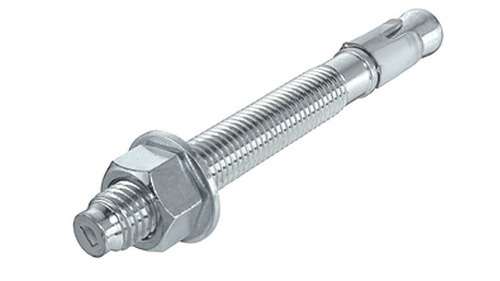
Mechanical Anchoring Service
Our Mechanical Anchoring Services include fixing of insertion plates and execution of various anchoring jobs such as fixing machine base plates, handrails, doors, window frames, rehabilitation of falling stones from building facades, and stone cladding using clamps and fasteners. These services are widely used in residential, commercial, industrial, and infrastructure projects where strong and secure structural fixing is required.
Mechanical anchors are mostly used to fasten elements to the main structural concrete such as beams, columns, slabs, walls, and foundations. Post-installed mechanical metal fasteners are placed into pre-drilled holes in concrete and anchored by mechanical means such as friction or mechanical interlock, ensuring strong load-bearing support and long-term durability.
Our highly experienced professionals use premium-grade tools, advanced anchoring systems, and modern installation techniques to deliver reliable, safe, and cost-effective mechanical anchoring solutions according to project specifications.
Types of Mechanical Anchors
1. Torque Controlled Expansion Anchors
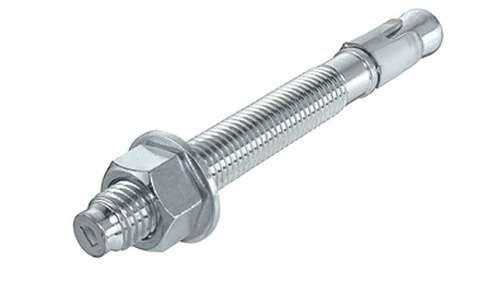
The most popular type of mechanical fasteners are torque controlled expansion anchors, which offer the major advantage of push-through installation compared to chemical anchors. These anchors provide high load-bearing capacity, quick installation, and easy application.
They are ideal for fixing heavy structural elements because they eliminate the need for pre-positioning. Expansion is achieved by torque acting on the bolt, and the tension force is transferred into the concrete through friction and limited mechanical interlock between the expansion sleeve and the concrete.
These anchors allow reduced installation parameters such as minimum spacing, edge distance, and concrete thickness while maintaining strong tensile stress distribution and structural safety.
2. Deformation-Controlled Expansion Anchors
Mechanical fasteners with deformation-controlled expansion are installed using hammer blows or machine percussion. These are commonly used for MEP and HVAC building services and lighter load applications where secure fixing is required.
Bolts or threaded rods are directly screwed into the internal thread of a hammer set anchor for reliable support and efficient installation.
3. Concrete Screws
Another important type of mechanical anchor is the concrete screw. These screws are installed into pre-drilled cylindrical holes and feature a special thread that cuts an internal thread directly into the concrete during installation.
Concrete screws generate much less expansion force, distribute load over a larger area, and allow closer edge and spacing distances compared to expansion anchors. They also offer one of the fastest installation methods because they do not require specific torque settings.
Mechanical Anchoring Service Process
1. Site Assessment
Before starting the anchoring process, a complete site assessment is conducted to evaluate the substrate material, load requirements, and project conditions that may affect anchor selection and installation.
2. Anchor Selection
Based on the site inspection, engineers choose the most suitable mechanical anchor such as expansion anchors, wedge anchors, screw anchors, or other specialized fastening systems depending on project needs.
3. Drilling Holes
Pre-drilled holes are created in the substrate to accommodate the anchors. Hole diameter and depth are determined according to anchor type, load requirements, and engineering specifications.
4. Cleaning and Preparation
The drilled holes are thoroughly cleaned to remove dust, debris, and contaminants. Proper cleaning ensures strong anchor performance and secure installation.
5. Inserting Anchors
Mechanical anchors are inserted into the prepared holes using tightening, expanding, or engaging mechanisms depending on the anchor type to secure them firmly in place.
6. Torqueing or Tightening
Some anchors require specific torque values and tightening procedures to achieve the desired load-bearing capacity and ensure maximum structural safety.
7. Load Testing
Load testing is performed after installation to verify the anchor’s capacity to safely withstand the intended loads and structural demands.
8. Documentation
Detailed records including anchor specifications, drilling dimensions, torque values, and load test results are maintained for quality control and future reference.
9. Safety Measures
Strict safety standards are followed during mechanical anchoring work, including the use of personal protective equipment (PPE), safe drilling practices, and maintaining a secure work environment.
10. Quality Control
Comprehensive quality inspections ensure that all anchors are installed correctly, meet design specifications, and comply with industry standards for safety and performance.
It’s important to hire experienced professionals for mechanical anchoring services to ensure that the anchors are installed correctly and securely. Different types of anchors and substrates may require specific expertise, and proper installation contributes to the safety and stability of structures or equipment.
Service Gallery